Coming November 2026 · Published by Springer Nature
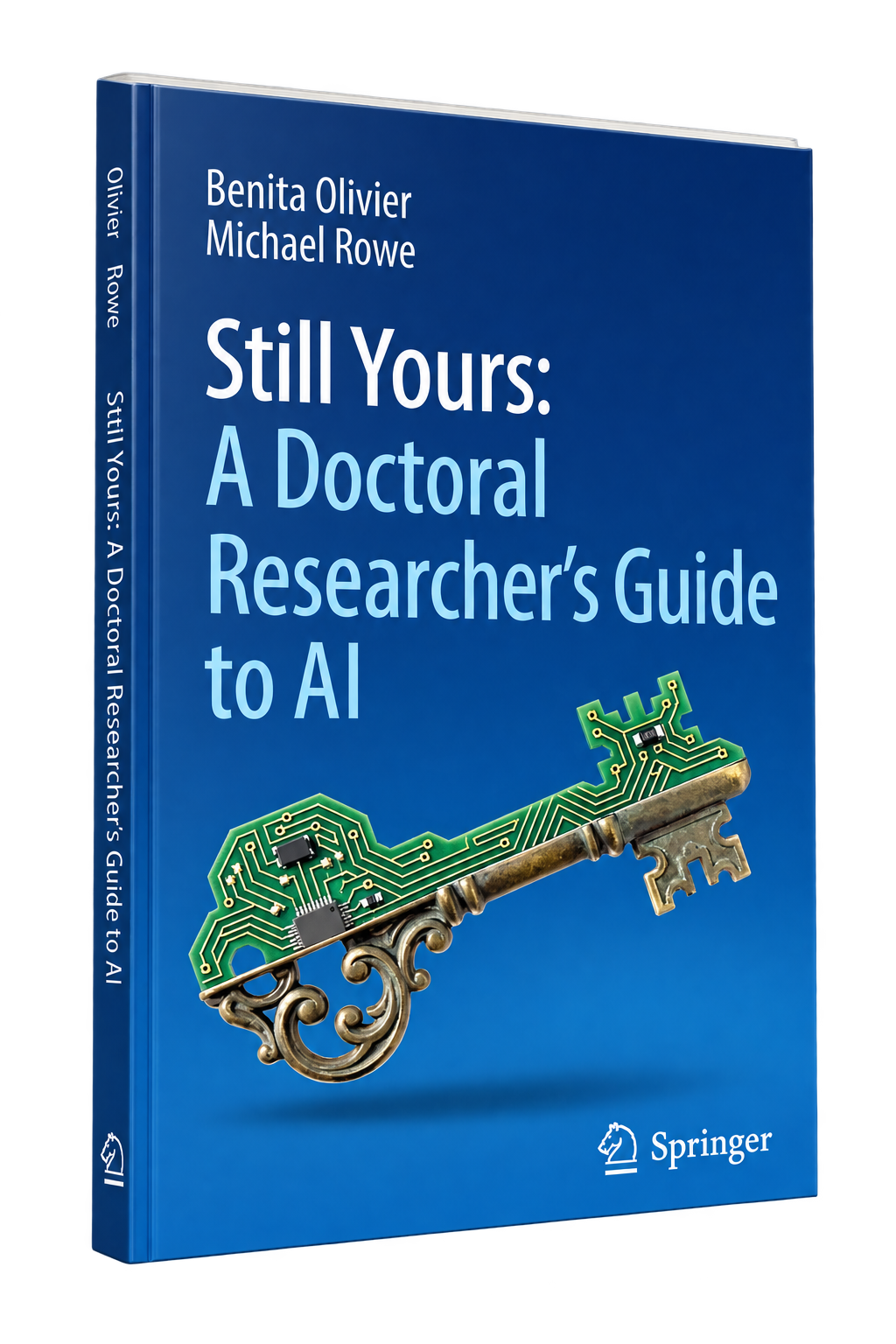
Still Yours
A Doctoral Researcher's Guide to AI
AI shouldn't do your doctorate for you, but it can help you do it better.
Doctoral research is one of the most demanding things you'll do. AI is promising to make it faster, smoother and more productive, and some of that is true. The difficulty is knowing which parts.
Still Yours gives you a way of deciding, task by task, what to hand over and what to keep. Worked prompt examples, practical guidance for every stage, and a set of questions you can use on a piece of work before you start it, so that the decisions you make about AI are ones you can still explain when you're sitting in your viva.
Be first to hear when the book launches, and get the free planning guide.
Send me the free guideWhy this book
Questions that change your perspective
Most conversations about AI in academia ask: what am I allowed to use? It's a fair question, but it isn't the question that decides how your doctorate goes. Two others do. Does this use of AI build me as a researcher, or does it replace the work that development was going to come from? And can I defend what I've produced as my own?
The paradox of doing a doctorate with AI: the judgement you need in order to evaluate what AI gives you is built through exactly the work AI offers to do for you. Skip the work and you keep the outputs but lose the development they were meant to certify.
This is not an argument for not using AI. It is the reason to know, task by task, what each use is building in you and what it is letting you skip. Still Yours takes that seriously by moving from policy to practice and from rules to reasoning, and it provides you with a method of working with AI which safeguards your development rather than wasting it.
What you'll find inside
Three parts: what AI can actually do, five ways you'll work with it, and what all of it means for you.
The foundation
Three chapters on: What AI can and cannot do in research today. What a doctorate was always for, and why AI changes that less than you'd expect. And how to stay honest and in control while the rules are still being written.
The practice
Five chapters, one for each way you'll work with AI: as a thinking partner, research assistant, writing collaborator, mediator of your professional relationships, and project manager. Each one carries worked prompt examples and ends with a developmental check.
The bigger picture
Three chapters covering: The skills you can't afford to lose. How to show the work is your own now that a polished thesis no longer proves it. And how a research degree changes in a landscape that will keep moving long after you've finished.
What you'll take away
Who it's for
Written for doctoral researchers in the broadest sense: PhD, EdD, DBA, professional and practice-based doctorates, and doctorates by publication. If your degree asks you to make an original contribution through your own disciplined inquiry, it's for you. Supervisors and research development staff will benefit, too.
Free for every subscriber
Not sure whether to use AI on a piece of work? Start here.
Should I use AI for this? is a free one-page planning guide for doctoral researchers. You use it when you're planning a piece of work, a chapter, an analysis, a search, a stage of the project, rather than every time you open a tool. Two gates, seven questions, and three positions you can land on. The same questions the book uses, on one page you can keep.
Send me the free guideFree planning guide
Should I use AI for this?
Two gates, seven questions, three positions. One page, for planning a piece of work.
Benita Olivier & Michael Rowe
About the authors
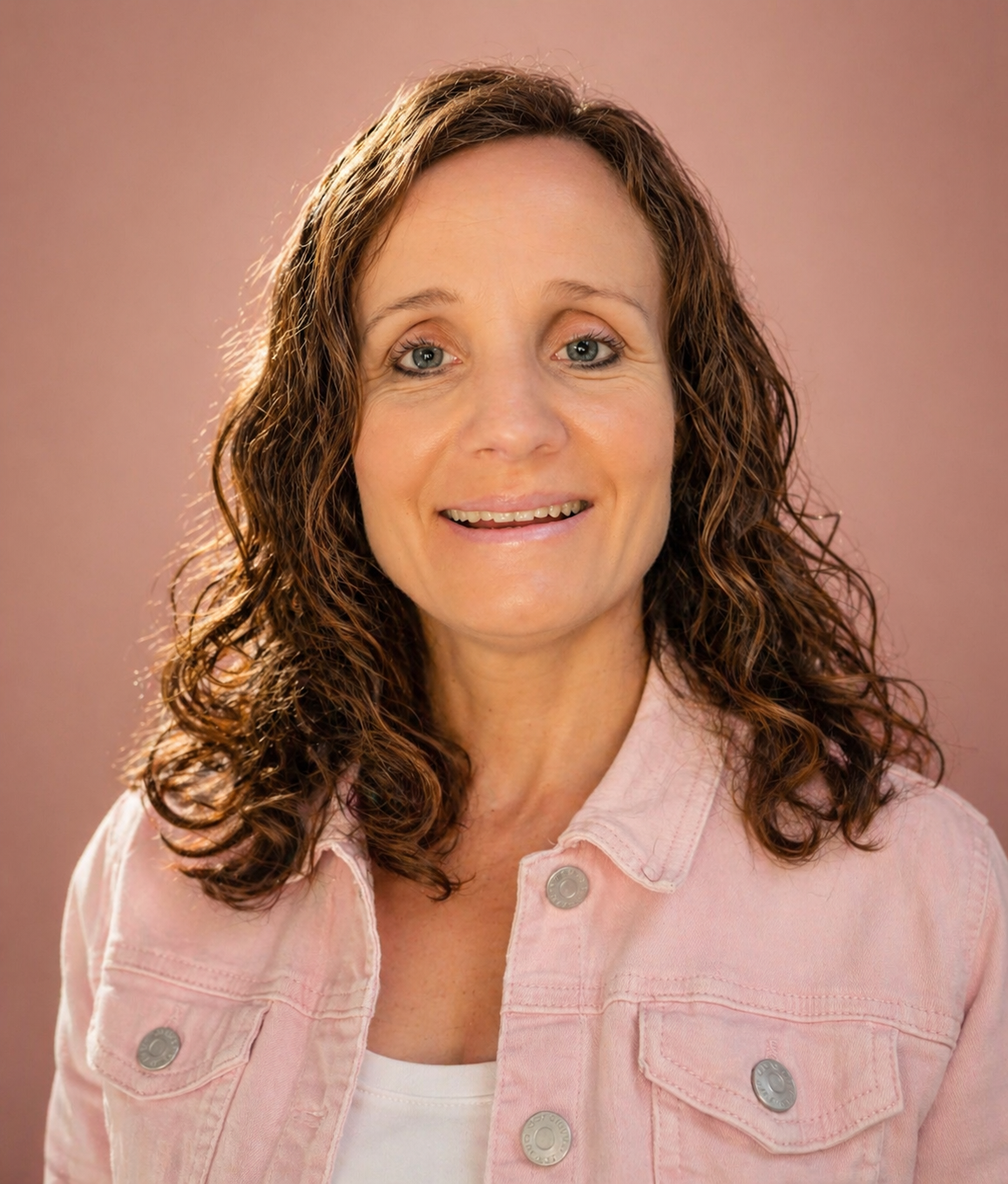
Benita holds a joint strategic leadership position across Oxford Brookes University and Oxford Health NHS Foundation Trust, where she builds research capacity among nurses, midwives, allied health professionals, healthcare scientists, pharmacists and clinical psychologists. She is co-director of the Healthy Living Research Centre, and the founder of Research Masterminds, a global platform supporting postgraduate researchers. After many years of doctoral supervision, she knows in practice what doctoral researchers need in order to flourish. She completed her own doctorate while raising two young children, and it shaped her conviction that ambitious research and a sustainable life are not in conflict.
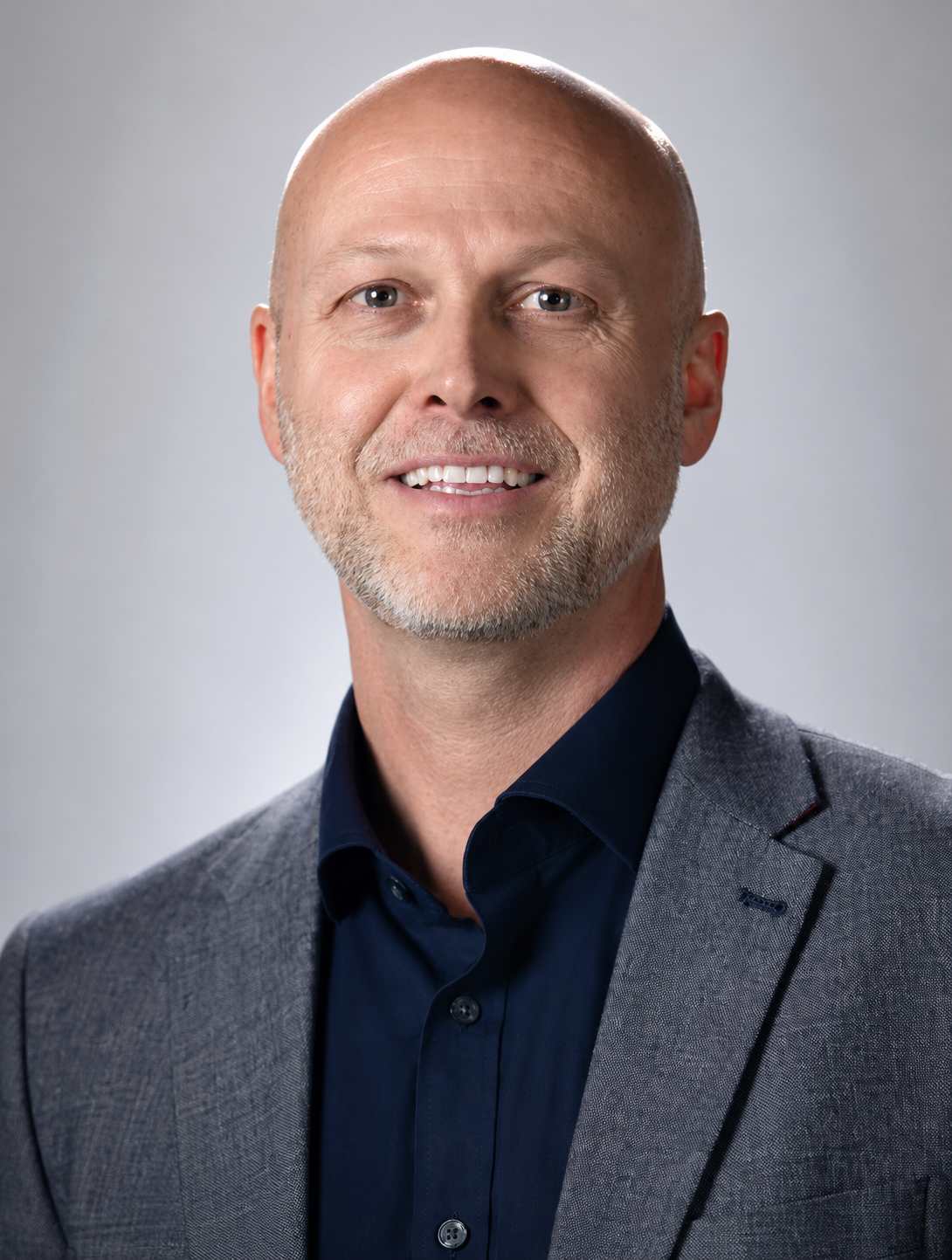
Michael is Director of Teaching and Learning in the School of Health and Care Sciences at the University of Lincoln. His work sits at the intersection of AI, digital innovation, and health professions education, drawing on critical pedagogy and complexity science. Michael has contributed to national AI policy discussions, developed frameworks for ethical AI integration in health professions education, and built an extensive body of open scholarship. He has spent the last three years running his own scholarly practice through an AI-assisted workflow, deliberately enough to know where it builds capability and where it substitutes for the thinking.
What early readers are saying
“
[Add your first endorsement here — ideally from a senior academic, supervisor, or research lead whose name your audience will recognise.]
Name · Role · Institution
“
[A second quote here — even a brief, specific sentence from a doctoral researcher who has read early chapters carries real weight with your audience.]
Name · Role · Institution
“
[A third endorsement from a supervisor, postgraduate coordinator, or peer adds breadth and credibility.]
Name · Role · Institution
Published by Springer Nature · Coming November 2026
Be first to know when the book launches
The Weekly Research Recharge is where the book updates live: early excerpts, launch news, pre-order information, and the practical tools we share with researchers every week. Signing up gets you the planning guide, which will arrive in your inbox straight away.
We only add value. Nothing else. Unsubscribe any time.
Research Masterminds
© 2026 Research Masterminds LLC ·
Website Terms