The Still Yours companion toolkit
Make AI decisions in your doctorate that you can explain, record and defend
Four interactive tools and three reflection cards that turn the questions in Still Yours into decisions about your own project, from your first year to your viva. Comes with 20% off the book, Still Yours.
Join the waitlistNothing to pay now. Join the waitlist, and I'll email you when the toolkit becomes available for purchase.
Why the toolkit
Could you explain every AI decision you've made?
You've probably made more decisions about AI in your doctorate than you could list right now. Some of them were careful. Some were made late at night with a deadline the next morning. And one or two of them shaped your work in ways you'd find hard to explain if someone asked you why.
That's normal, and it doesn't mean you've done anything wrong. But the reasoning behind those decisions is easy to lose, and your viva is where someone is most likely to ask for it.
In Still Yours, my co-author Michael Rowe and I set out the questions that help you decide what to hand to AI and what to keep for yourself. The toolkit is where you answer those questions about your own project, write the answers down, and keep them somewhere you can find them again.
Who it's for
Doctoral researchers, at any stage
The Still Yours Companion Toolkit is written for doctoral researchers in the broadest sense: PhD, EdD, DBA, professional and practice-based doctorates, and doctorates by publication.
The tools ask different things of you depending on where you are. A first-year researcher who is still building a skill will write very different terms from a third-year researcher who has built it and can afford to hand more over. Both can be right, and the tools are designed to show you why.
You might already use AI every day and want to be able to explain how. Or you might have been holding back because you weren't sure where the lines are. Either way, the toolkit won't hand you a set of rules, and it can't tell you what your institution allows. Your institution's policy comes first. The toolkit helps you think carefully within it and keep a record of what you decided.
What's inside
Four tools you use on your own work
Each one leaves you with something written down that you can come back to, take to supervision, or draw on in your viva.
Interactive tool 1 · Chapters 2, 6 and 9
Should I use AI for this?
Run it on a piece of work before you start: a chapter, an analysis, a search, a stage of the project. It takes you through the book's questions and lands on one of three positions, with what to do next.
Interactive tool 2 · Chapter 9
Your written terms
Decide, task by task, what AI may and may not do in your doctorate at the stage you're at now, and write it down in your own words. The same task can be right to keep in your first year and right to hand over in your third, so every term carries your stage and a date to look at it again. You finish with a document you can take to supervision if you want to.
Interactive tool 3 · Chapter 3
Your AI decision log
Most of your AI use doesn't need recording. The moments when AI shaped a decision do. Each entry takes about a minute: what AI contributed, what you decided, and why. Months later, when you're writing your methods chapter or preparing for your viva, you can explain your sample size or your coding frame without relying on memory.
Interactive tool 4 · Chapter 10
Your viva rehearsal planner
Pick the decisions an examiner is most likely to probe, choose from ten angles they might come at them from, from methodological rigour to findings you didn't expect, and practise explaining your reasoning out loud before the day. The planner sets up the rehearsal. You still have the conversation.
And three reflection cards to download and keep
How is a prompt put together?
The four parts every prompt in the book shares: context, task, stance and bounds.
Can I defend this sentence?
Three questions to ask of any sentence before it goes out under your name.
How do I declare what I used?
The four parts of a declaration of AI use, and when to acknowledge AI rather than cite it.
How it works
Your work stays on your computer
Each tool runs in your browser. Nothing you type is sent to me or stored on a server. What you write is saved in the browser you're using, so it's still there when you come back, and you can download it as a file at any time: to keep, to load back into the tool later, or to carry on with on another computer. There's a Word version too, if you'd rather edit it there or share it with your supervisor.
You also get your own copy of every tool, as a single file you download and keep. It opens in your browser, works without an internet connection, and keeps working no matter what happens to this website.
The tools don't use AI themselves, and they don't do any of your work for you. The viva planner offers a prompt you can copy into your own AI tool if you'd like to practise with one, and that's always your choice.
How it fits
Where the toolkit fits
The free planning guide
Should I use AI for this? on one page: the same questions as the first tool, for planning a piece of work. It's free with the Weekly Research Recharge, my weekly email for researchers.
The book
Still Yours gives you the thinking behind the questions: why they're worth asking in a doctorate in particular, and where they come from. When you buy the toolkit, you'll get a link for 20% off the book, in print or digital.
The course
The Doctoral AI Operating System, my self-paced course, takes you through the method hands-on over seven modules, and the toolkit is included with it. If you're planning to take the course, you don't need to buy the toolkit separately.
About
About me
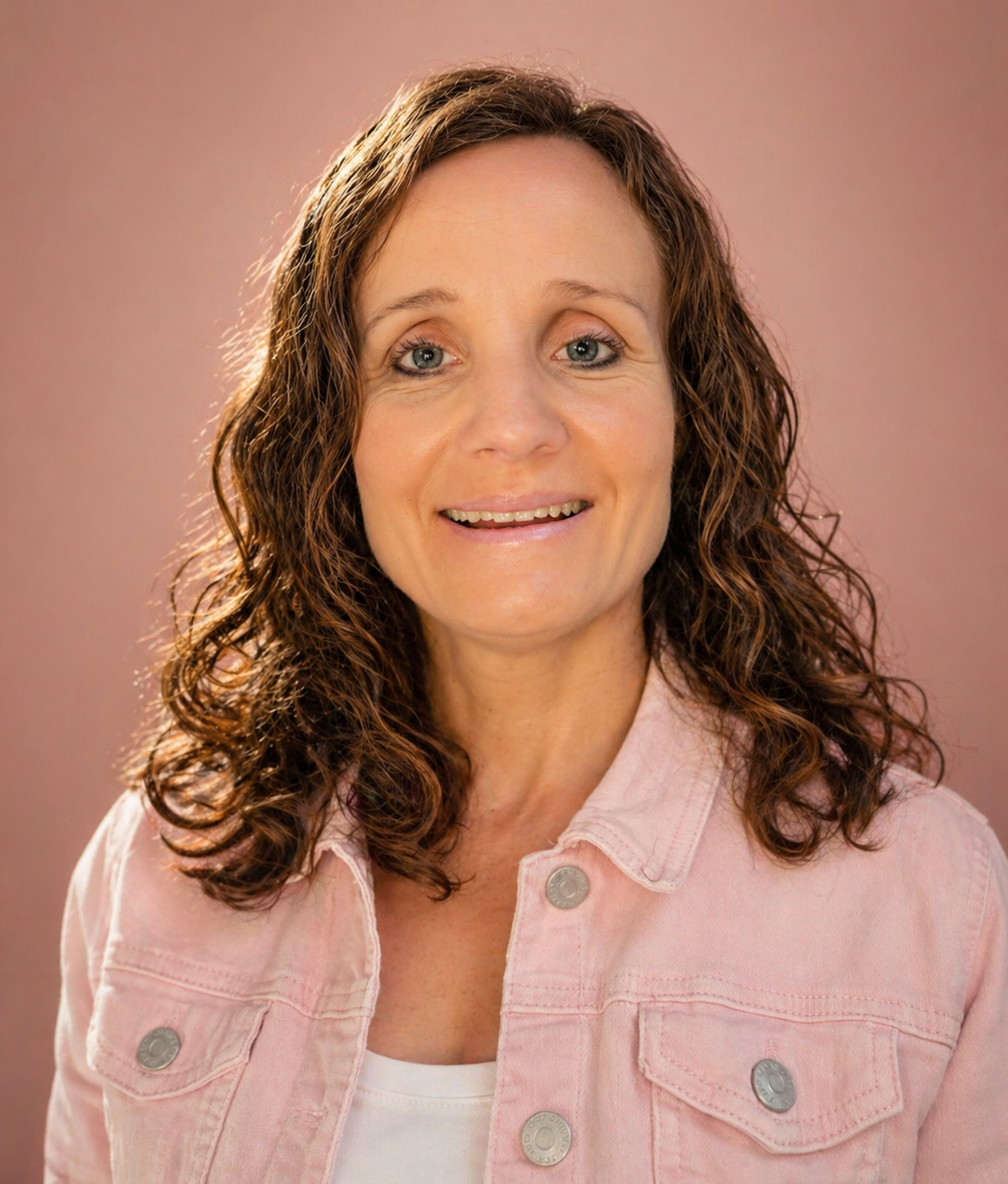
I'm Benita Olivier, Professor of Rehabilitation at Oxford Brookes University and Allied Health Professions Research Lead at Oxford Health NHS Foundation Trust, where I build research capacity and capability among health and care professionals. I've supervised more than 40 postgraduate students to completion over more than 18 years, and I absolutely love it! I founded Research Masterminds to support postgraduate researchers around the world.
The toolkit is based on our book, Still Yours, which I wrote with my co-author, Michael Rowe, Associate Professor at the University of Lincoln.
Questions
Frequently asked questions
Do I need to have read the book?
No. Each tool explains what it's asking and why, and names the chapter it comes from if you want to go deeper. The book gives you the fuller argument, and the toolkit comes with 20% off it.
How does the 20% off the book work?
When you buy the toolkit, you'll get a link to buy Still Yours from Springer Nature with 20% off, in print or digital. It's an affiliate link, so I earn a commission if you buy the book through it. It doesn't cost you anything extra.
What happens if I change computer or clear my browser?
Your work is saved in the browser you used, so it won't follow you to a different browser or computer, and clearing your browser's site data removes it. That's why each tool lets you download your work as a file. Keep that file somewhere safe and you can load it back in, on any computer. You can also download your work as a Word document.
Does it work on a phone or tablet?
Yes, in your phone's browser, though longer writing may be easier on a laptop.
Does joining the waitlist commit me to anything?
No. You'll hear from me when the toolkit opens, and you decide then. Joining the waitlist doesn't sign you up to anything else.
What if I'm not sure it's right for me?
Ask me before you buy. The tools are yours to download the moment you buy, so refunds will be impractical once you've bought the toolkit. I'd much rather you were sure first, so join the waitlist and reply to any of my emails with your question. I'll answer it myself, and you can ask follow-up questions, any time.
Price
The Still Yours companion toolkit
£67
- 20% off the book, Still Yours, in print or digital
- Should I use AI for this?
- Your written terms
- Your AI decision log
- Your viva rehearsal planner
- Three reflection cards to download and keep
- Your own copy of every tool, to keep on your computer
There's nothing to pay yet
Add your name to the waitlist, and I'll email you when the toolkit becomes available.
I'll only email you about the toolkit. Unsubscribe any time.
The views on this site are my own, informed by my research and experience, and are not necessarily those of my employers. The toolkit is a thinking tool, not a ruling: your institution's policy on AI use and the law where you are come first, and you remain responsible for your own work.
From Still Yours: A Doctoral Researcher's Guide to AI, Benita Olivier and Michael Rowe, Springer Nature, 2026.
Research Masterminds
© 2026 Research Masterminds LLC · Website Terms